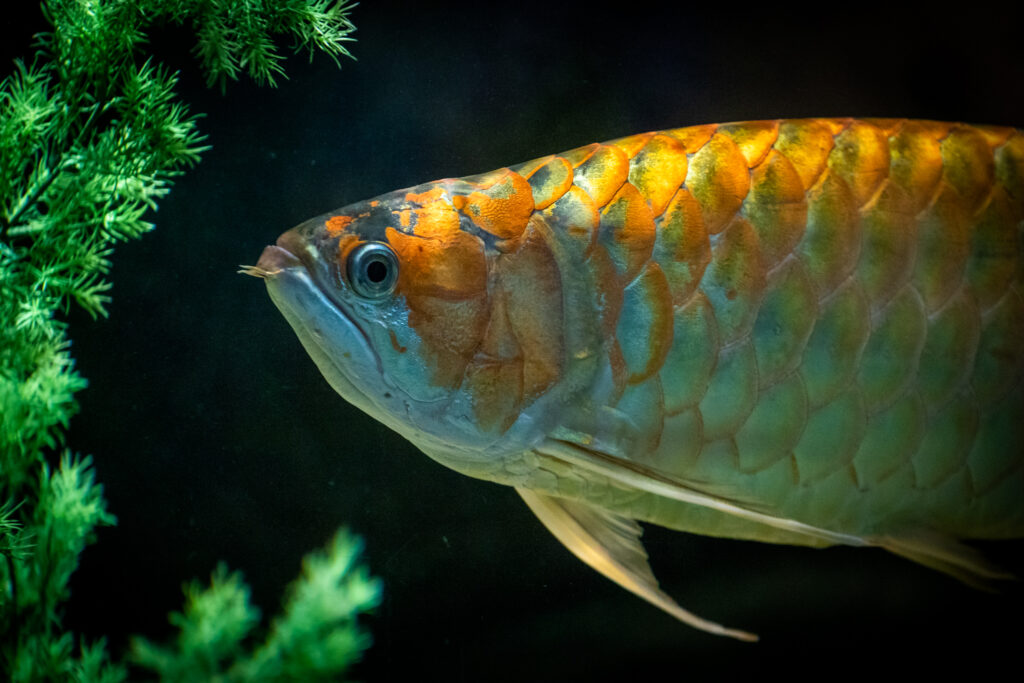
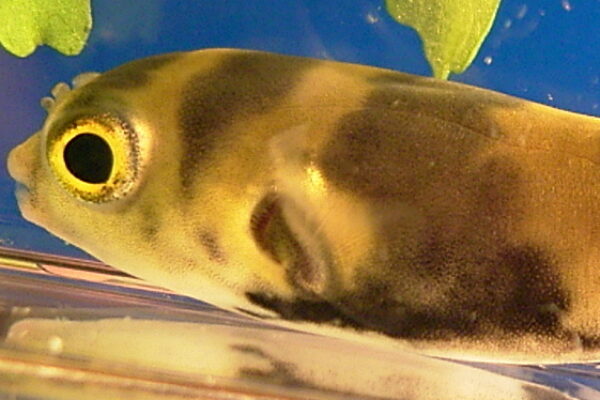
amazon puffers
Colomesus asellusÂ
- Diet: Mollusks, CrustaceansÂ
- Range: South America (freshwater)Â
- Conservation: Least ConcernÂ
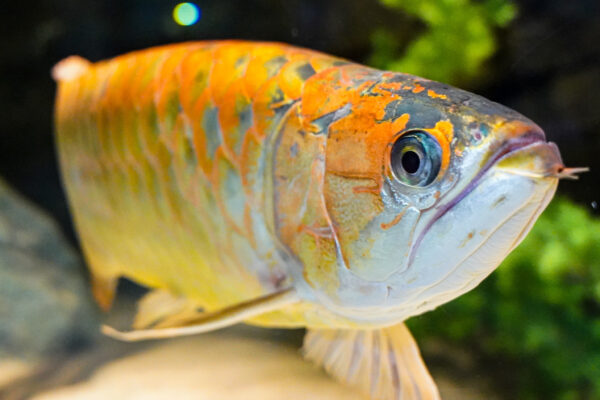
asian arowana
Scleropages formosusÂ
- Diet: Insects, Fish, Small VertebratesÂ
- Range: Southeast Asia (freshwater)Â
- Conservation: EndangeredÂ
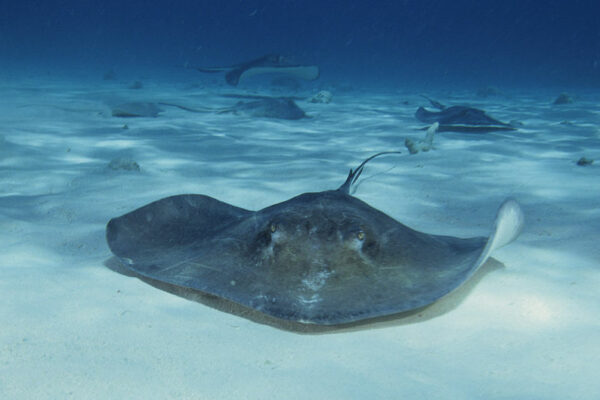
atlantic stingray
Hypanus sabinusÂ
- Diet: Worms, Crabs, Shellfish, Shrimp, Small FishÂ
- Range: Western North Atlantic (including brackish and freshwater)Â
- Conservation: Least ConcernÂ
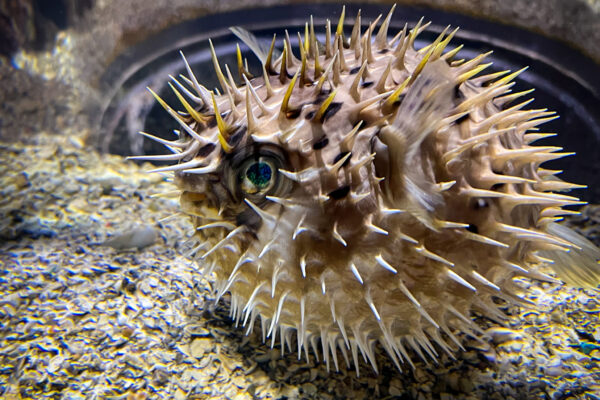
balloonfishÂ
Diodon holocanthusÂ
- Diet: Mollusks, Urchins, CrustaceansÂ
- Range: East and West coast of Africa, Indo-PacificÂ
- Conservation: Least ConcernÂ
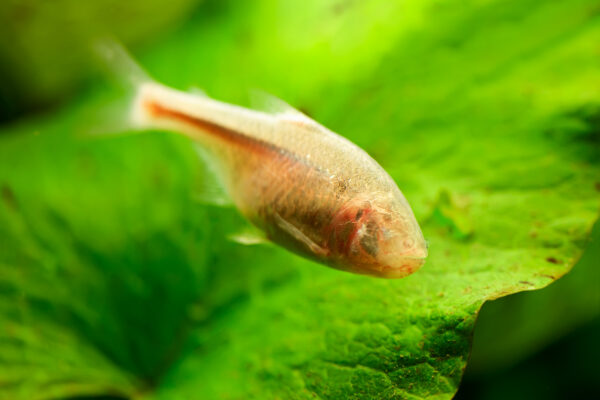
blind cavefishÂ
Astyanax mexicanusÂ
- Diet: ScavengersÂ
- Range: Central American CavesÂ
- Conservation: Least ConcernÂ
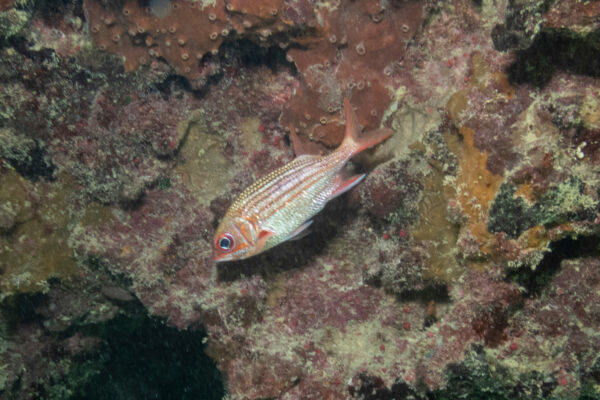
dusky squirrelfishÂ
Neoniphon vexillariumÂ
- Diet: Gastropods, Octopus, Squid, FishesÂ
- Range: Western AtlanticÂ
- Conservation: Least ConcernÂ
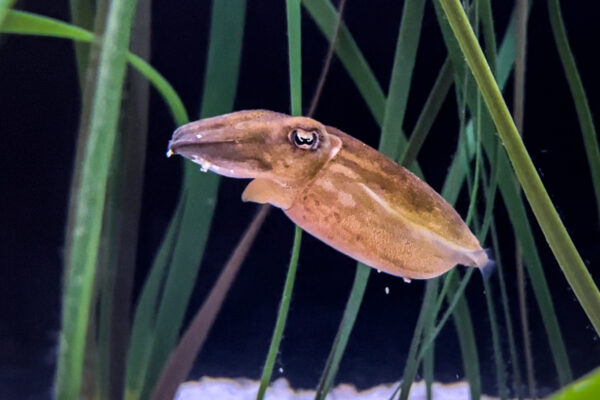
dwarf cuttlefishÂ
 Sepia bandensisÂ
- Diet: Shrimp, Crabs, FishÂ
- Range: Indo-PacificÂ
- Conservation: Data DeficientÂ
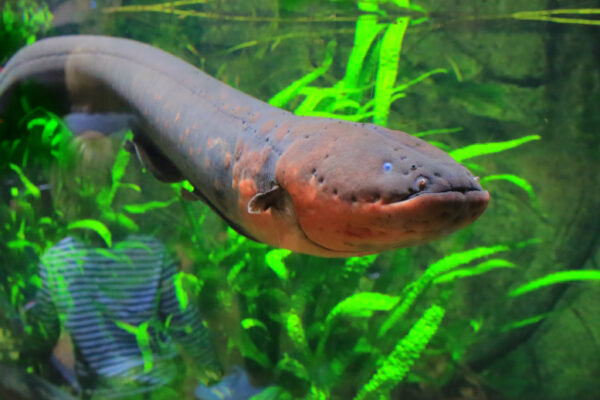
electric eelÂ
Electrophorus electricusÂ
- Diet: Amphibians, Fish, CrustaceansÂ
- Range: South America (freshwater)Â
- Conservation: Least ConcernÂ
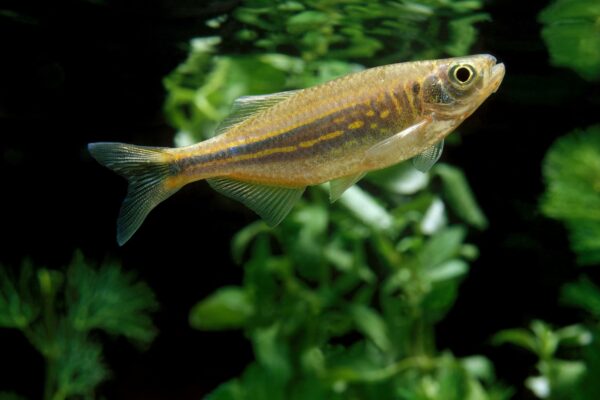
giant danio
Devario aequipinnatusÂ
- Diet: Worms, Small Crustacenas, Insect LarvaeÂ
- Range: Asia, Central Asia (freshwater)Â
- Conservation: Least ConcernÂ
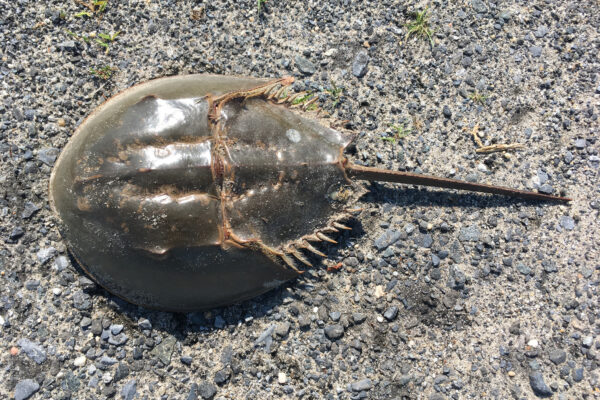
horseshoe crab
Limulus polyphemusÂ
- Diet: Worms, Clams, AlgaeÂ
- Range: Wester North Atlantic and Gulf CoastÂ
- Conservation: Vulnerable
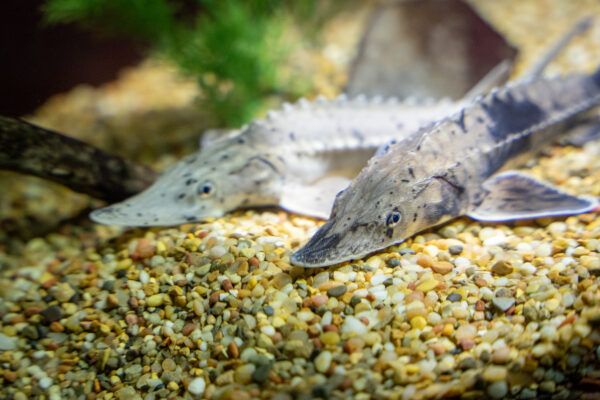
lake sturgeon (fingerlings)
Acipenser fulvescensÂ
- Diet: InvertebratesÂ
- Range: North America, Great Lakes Basin, Mississippi River BasinÂ
- Conservation: EndangeredÂ
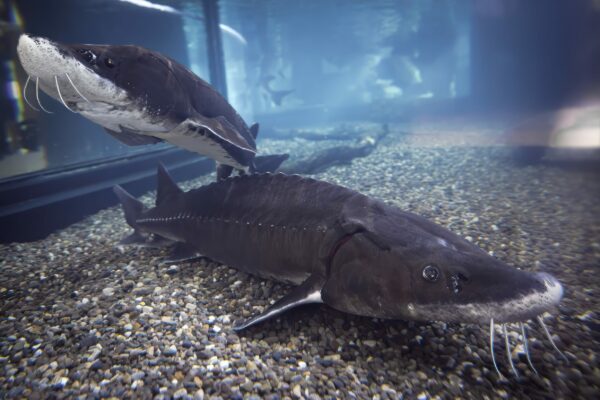
lake sturgeon (adults)
Acipenser fulvescensÂ
- Diet: Snails, crustaceans, mussels, aquatic insects, small fish, and fish eggsÂ
- Range: North America, Great Lakes Basin, Mississippi River Basin
- Conservation: EndangeredÂ
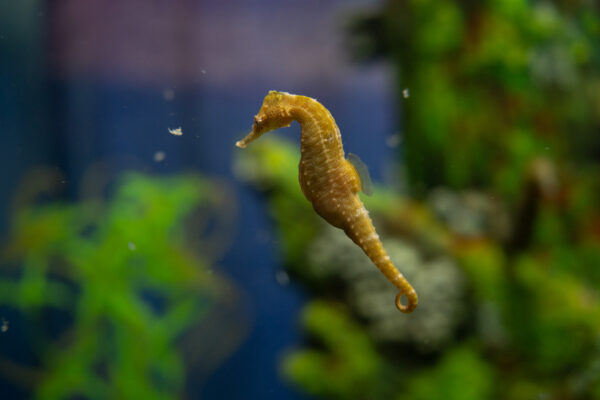
lined seahorse
Hippocampus erectusÂ
- Diet: Small CrustaceansÂ
- Range: Western Atlantic, Gulf of MexicoÂ
- Conservation: VulnerableÂ
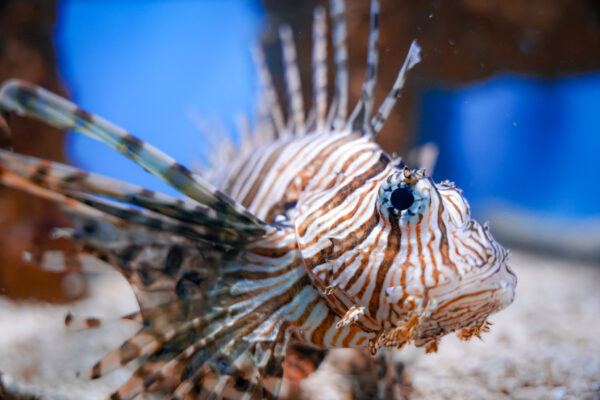
lionfish
Pterois volitansÂ
- Diet: Small Crustaceans, FishÂ
- Range: Indo-Pacific (Invasive; introduced to U.S. Atlantic and Gulf Coasts)Â
- Conservation: Least ConcernÂ
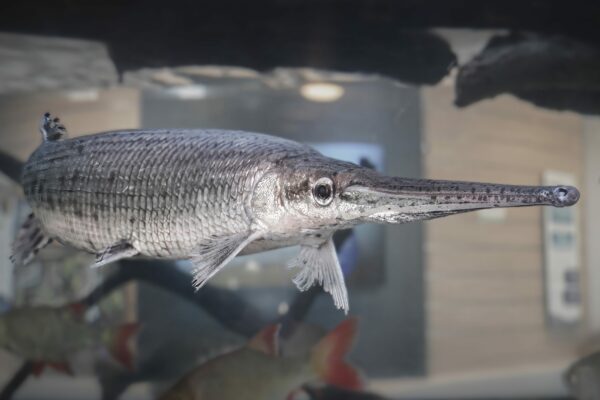
longnose gar
Lepisosteus osseusÂ
- Diet: Crustaceans, Insects, FishÂ
- Range: Mississippi River BasinÂ
- Conservation: Least ConcernÂ
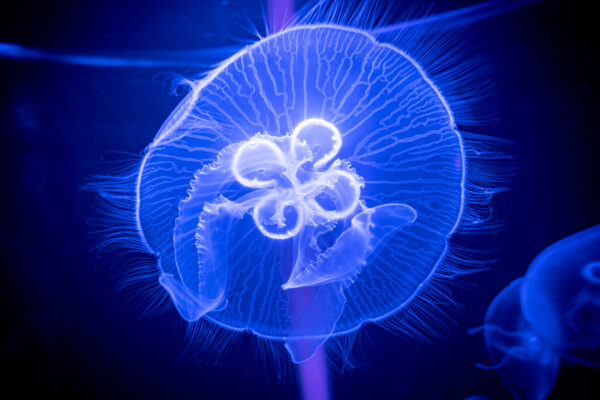
moon jellyfish
Aurelia auritaÂ
- Diet: ZooplanktonÂ
- Range: Northeast PacificÂ
- Conservation: Not ListedÂ
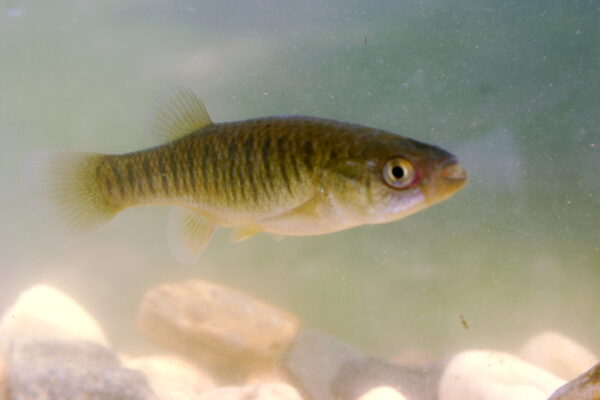
mummichog
Fundulus heteroclitusÂ
- Diet: VariedÂ
- Range: Atlantic CoastÂ
- Conservation: Least ConcernÂ
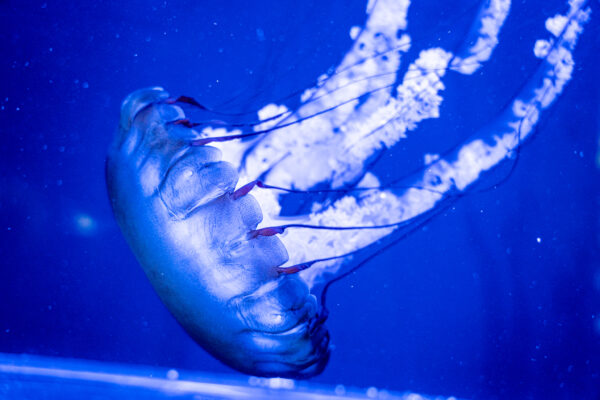
pacific sea nettle
Chrysaora fuscescensÂ
- Diet: Zooplankton, Other JelliesÂ
- Range: PacificÂ
- Conservation: Not ListedÂ
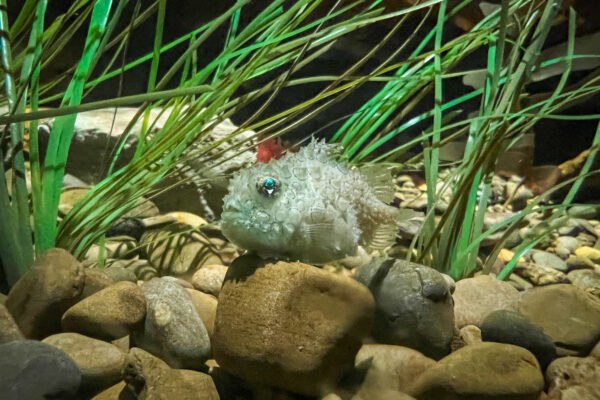
pacific spiny lumpsucker Â
Eumicrotremus orbisÂ
- Diet: Crustaceans, Worms, MollusksÂ
- Range: Northern Pacific, Bering SeaÂ
- Conservation: Data DeficientÂ
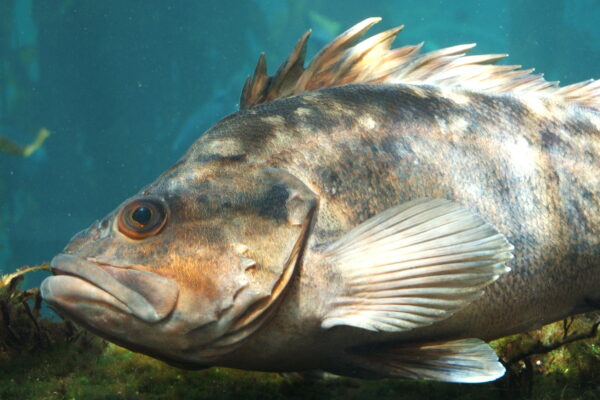
rockfish
Sebastes sppÂ
- Diet: Plankton, Small Crustaceans, FishÂ
- Range: PacificÂ
- Conservation: Least ConcernÂ
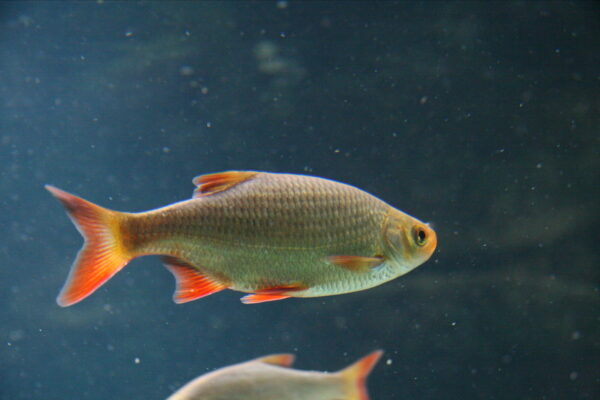
common rudd
Scardinius erythrophthalmusÂ
- Diet: Plankton, Insects, PlantsÂ
- Range: Eurasia (Highly invasive in the U.S.)Â
- Conservation: Least ConcernÂ
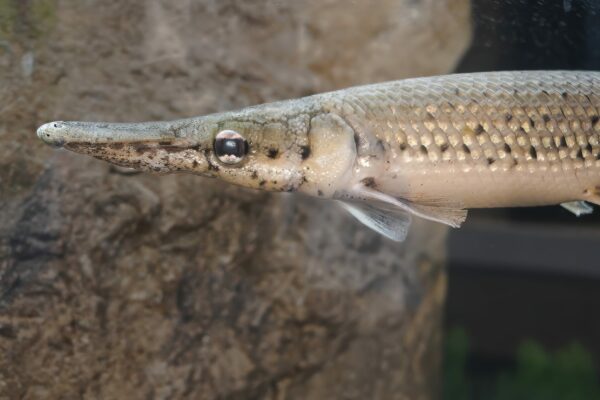
shortnose gar
Lepisosteus platostomusÂ
- Diet: Crustaceans, Insects, FishÂ
- Range: Mississippi River BasinÂ
- Conservation: Least ConcernÂ
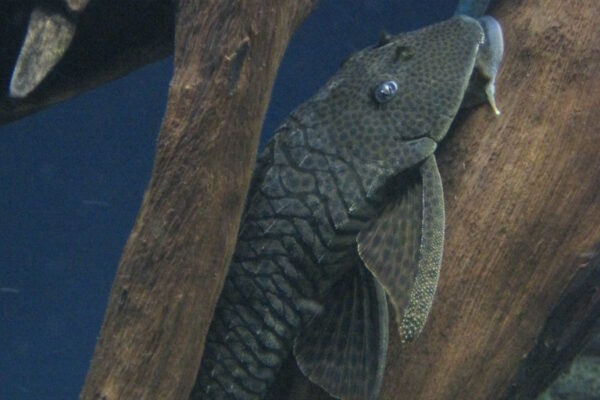
suckermouth catfishÂ
Hypostomus plecostomusÂ
- Diet: Detritus, Algae, PlanktonÂ
- Range: South America (Invasive in Southern US and Hawaii)Â
- Conservation: Least ConcernÂ
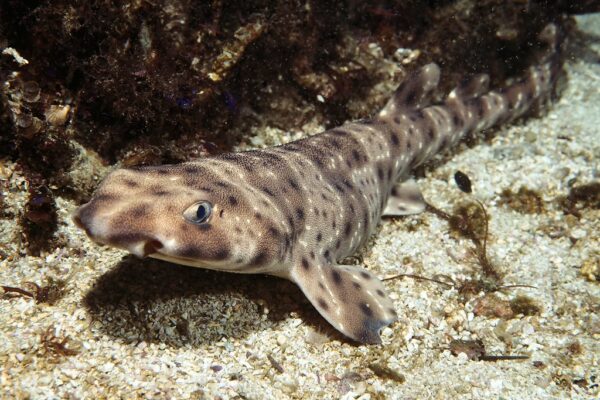
swell shark
Cephaloscyllium ventriosumÂ
- Diet: Fish, CrustaceansÂ
- Range: Monterey, California to Southern Mexico, ChileÂ
- Conservation: Least ConcernÂ
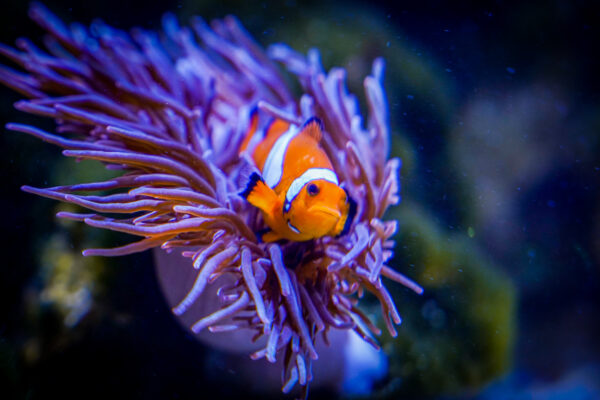
orange clownfish
Amphiprion perculaÂ
- Diet: Plankton, Algae, Worms, CrustaceansÂ
- Range: Indonesian waters off Northern Queensland, Australia, and MelanesiaÂ
- Conservation: Least ConcernÂ
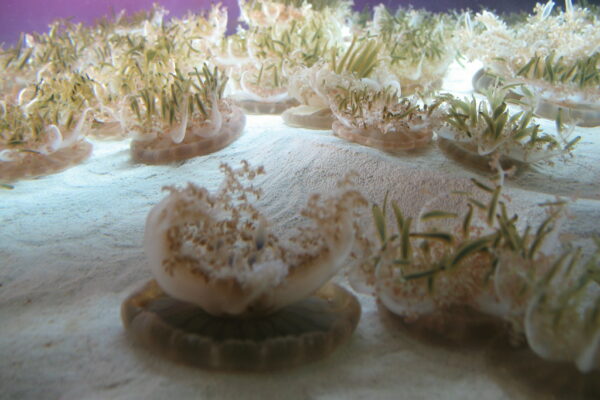
upside-down jellyfishÂ
Cassiopea spp.Â
- Diet: Zooxanthellae, ZooplanktonÂ
- Range: Indo-Pacific, Caribbean, Southern Florida [Invasive in Hawaii]Â
- Conservation: Not ListedÂ
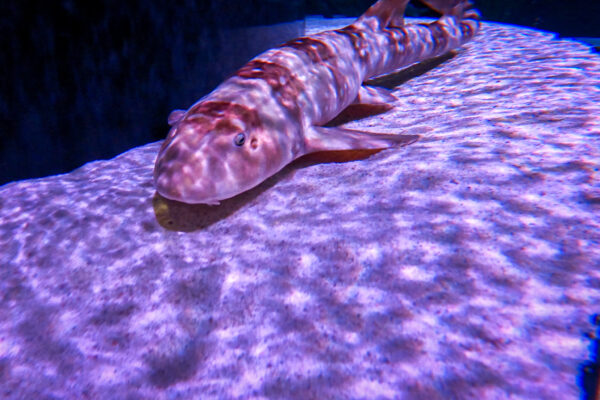
whitespotted bamboo sharkÂ
Chiloscylium plagiosumÂ
- Diet: Invertebrates, Crustaceans, Small FishÂ
- Range: Indo-West PacificÂ
- Conservation: Near ThreatenedÂ
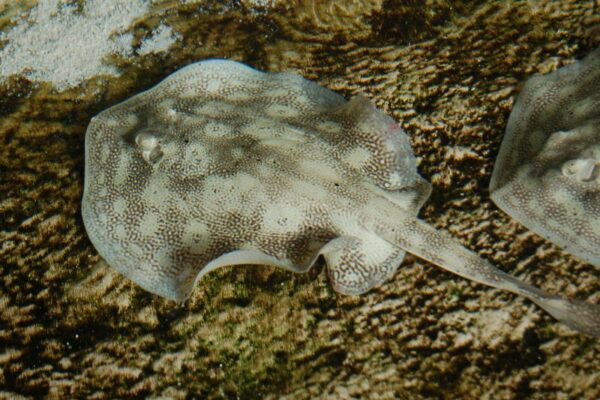
yellow stingrayÂ
Urobatis jamaicensisÂ
- Diet: Worms, Crabs, Shellfish, Shrimp, Small FishÂ
- Range: Western AtlanticÂ
- Conservation: Least ConcernÂ
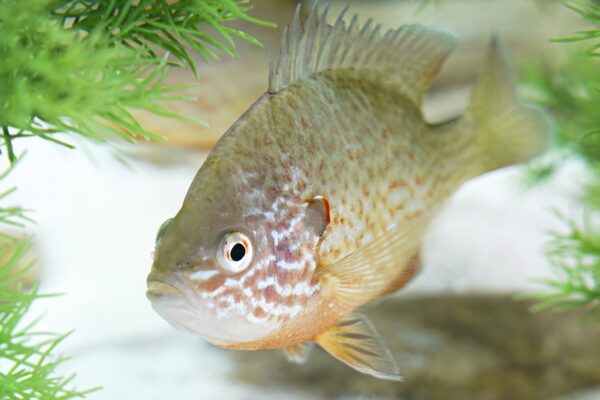
pumpkinseed (sunfish)
Lepomis gibbosusÂ
- Diet: Insects, mollusks, crustaceans, smaller fish, and wormsÂ
- Range: Northeastern half of U.S. and some parts of Canada. Introduced populations occur all over North America and EuropeÂ
- Conservation: Least ConcernÂ
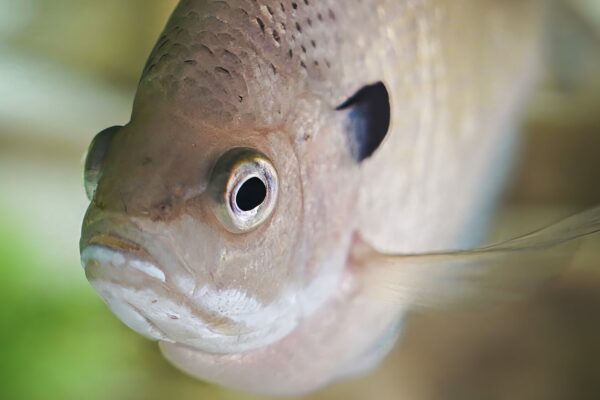
bluegill sunfish
Lepomis macrochirusÂ
- Diet: insects, mollusks, crustaceans, smaller fish, and wormsÂ
- Range: Native to almost all of the Eastern U.S. but Introduced all over North AmericaÂ
- Conservation: Least ConcernÂ
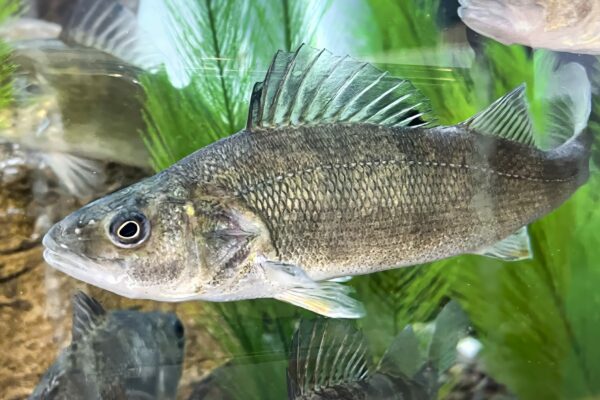
yellow perch
Perca flavescensÂ
- Diet: insects, mollusks, crustaceans, smaller fish, and worms
- Range: Northeastern U.S. and much of lower Canada. Introduced in varying areas across the Western U.S.Â
- Conservation: Least ConcernÂ
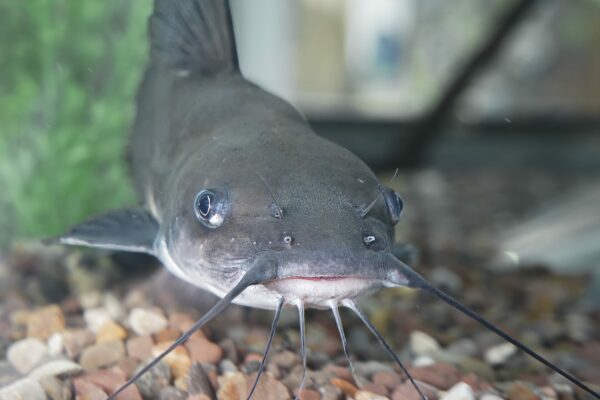
channel catfish
Ictalurus punctatusÂ
- Diet: Insects, mollusks, crustaceans, smaller fish, worms, snakes, and even small birds.
- Range: Southern Canada to Northern Mexico through much of the Eastern portion of North America. Introduced populations exist throughout the rest of the U.S.Â
- Conservation: Least ConcernÂ
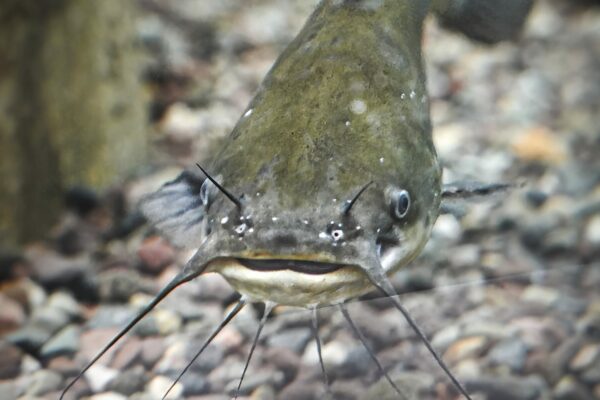
brown bullhead
Ameiurus nebulosusÂ
- Diet: Algae, insects, mollusks, crustaceans, and smaller fishÂ
- Range: Native to much of Eastern North America but introduced to various parts of the West plus other U.S. TerritoriesÂ
- Conservation: Least ConcernÂ
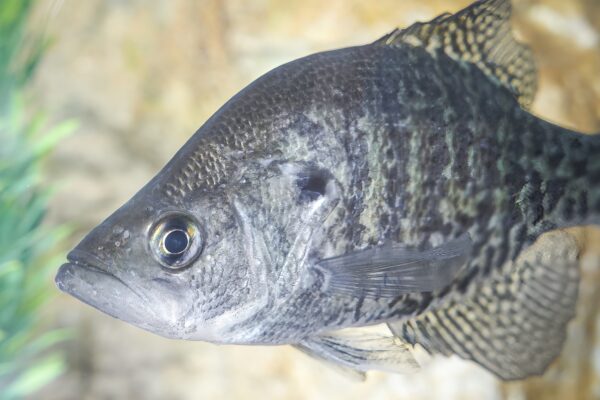
white crappie
Pomoxis annularisÂ
- Diet: Small fish, insects, and crustaceansÂ
- Range: The Great Lakes down to the Gulf of Mexico. Introduced populations exist throughout the U.S.Â
- Conservation: Least ConcernÂ
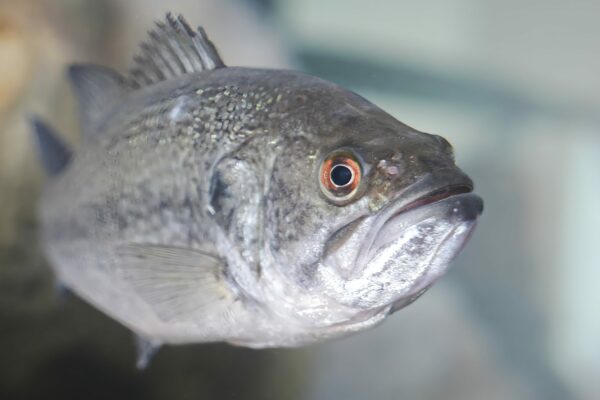
largemouth bass
Micropterus salmoidesÂ
- Diet: Other fish, insects, crustaceans, amphibians, lizards, snakes, and even small birdsÂ
- Range: Native from the Great Lakes down to the Gulf of Mexico. Introduced in various other areas of the U.S. and CanadaÂ
- Conservation: Least ConcernÂ
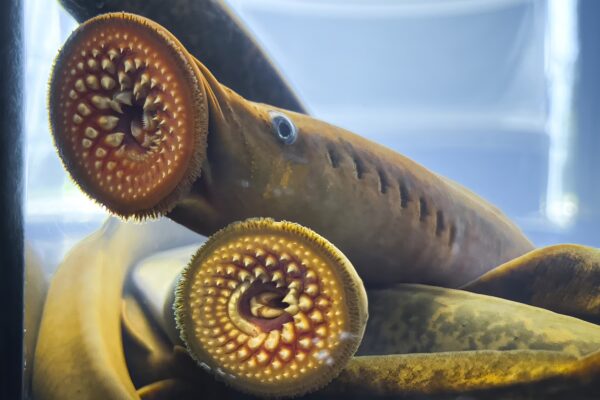
sea lamprey
Petromyzon marinusÂ
- Diet: Parasitically, they feed primarily on large fishÂ
- Range: North Atlantic Ocean from North America to Europe. Introduced to the Great Lakes RegionÂ
- Conservation: Least ConcernÂ
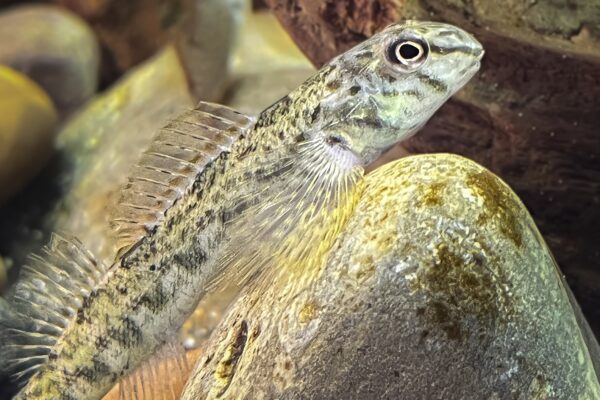
darter
Etheostoma sp.Â
- Diet: Insects, insect larvae, snails, and small crustaceansÂ
- Range: All Darter species are endemic to North AmericaÂ
- Conservation: Varies based on speciesÂ
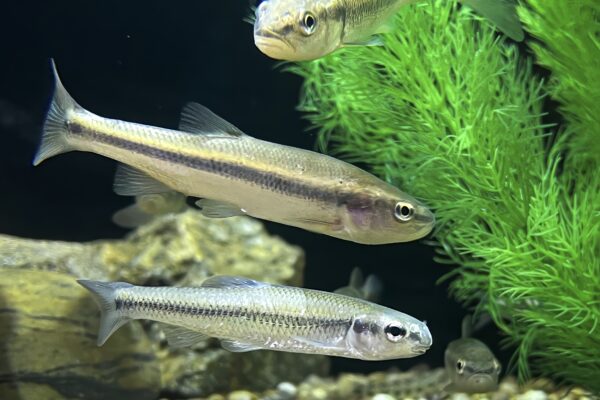
common shiner
Luxilus cornutusÂ
- Diet: Insects, small fish, small crustaceans, and algaeÂ
- Range: Nearly the entirety of Northeastern North AmericaÂ
- Conservation: Least ConcernÂ
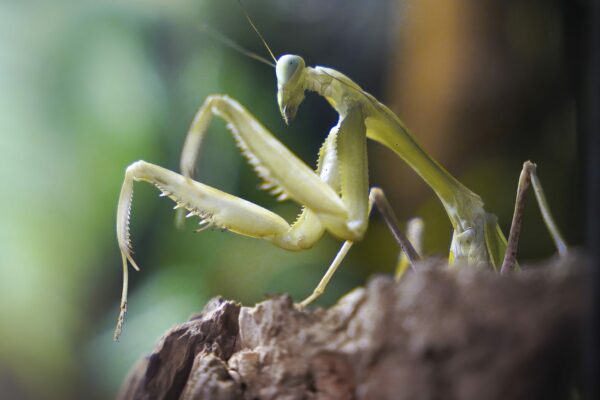
chinese mantis
Tenodera sinensisÂ
- Diet: Primarily other insects but can prey on arachnids, small reptiles, amphibians, and even small birdsÂ
- Range: Native to most of Asia but is Invasive to Northeastern North America.Â
- Conservation: No Official Status but is likely far from EndangeredÂ
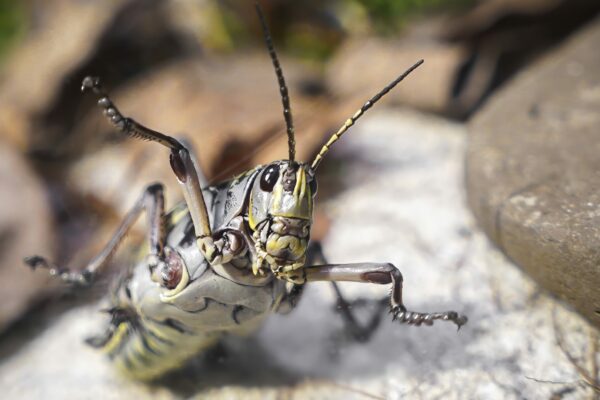
eastern lubber grasshopper
Romalea micropteraÂ
- Diet: shrubs, herbs, broadleaf weeds, and forbsÂ
- Range: Southeastern U.S.Â
- Conservation: No Official StatusÂ
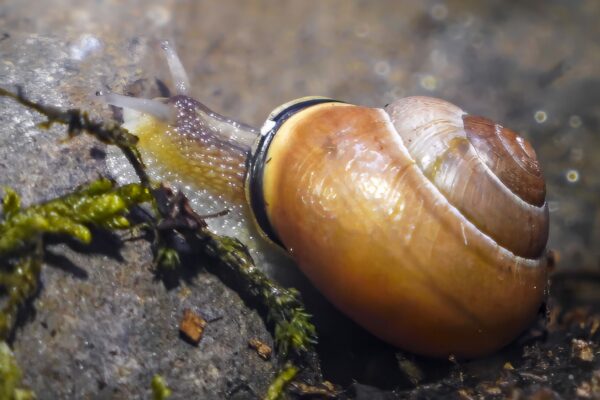
brown lipped snail
Cepaea nemoralisÂ
- Diet: Dead or decaying plantsÂ
- Range: Most of Europe but Introduced to Northeastern U.S.Â
- Conservation: Least ConcernÂ
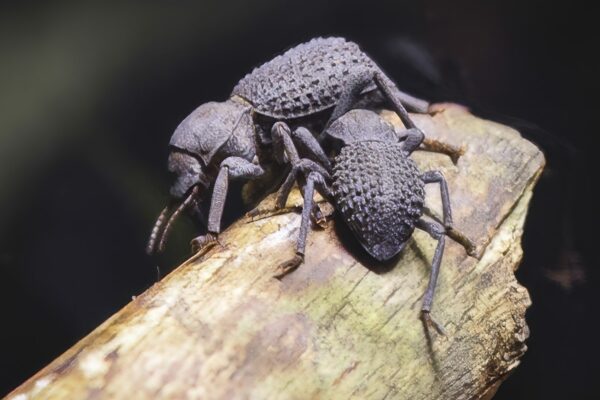
blue death feigning beetle
Asbolus verrucosusÂ
- Diet: Dead insects, rotting plants & seeds, fungus, and lichenÂ
- Range: Southwestern U.S.Â
- Conservation: No Official StatusÂ
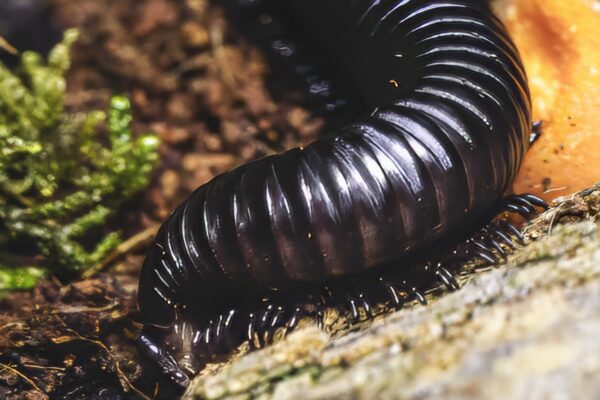
african giant millipede
Archispirostreptus gigasÂ
- Diet: Fresh or rotting fruits, vegetables, and leavesÂ
- Range: Eastern AfricaÂ
- Conservation: Least ConcernÂ